Showing posts with label short story. Show all posts

Thursday, 17 March 2022

15 details about Disney princes that are often overlooked

Although Disney princesses are the main focus of viewers’ attention, the princes also deserve recognition. Over the decades, there have been several changes in the way they have been portrayed, going from being the generic Prince Charming to heroes with their own names and personalities. This is how they show details that reflect part of the plot and make them as relevant as their companions.

Disney’s princes reveal parts of their stories that are often overlooked in the excitement of the movies.


© Aladdin / Walt Disney Pictures and co-producers, © Aladdin / Walt Disney Pictures and co-producers


1. Eric was the first prince to be rescued by his princess.

Disney princesses are almost always the ones rescued by their love. But in The Little Mermaid, Eric became the first prince in the franchise to be saved by the protagonist who, throughout the story, actually rescued him on 2 occasions: the first was when he fell into the sea and the second was when he confronted Ursula at the climax of the film.


2. John Smith really existed.

John Smith was a soldier and explorer who had been captured by the natives of America when he settled on their lands. It is believed that he was rescued by a girl of the tribe that held him hostage, but the accuracy of the event could never be proved.


The Disney version of John Smith, besides being physically different from the historical character, also had a different personality. While the real guy was authoritarian and had a hard character, the fictional Smith is kind and cordial. He was also way older than Pocahontas and they never had a romantic relationship in real life, according to certain documents.


3. The feather in Aladdin’s turban indicated when he was telling a lie.

Aladdin pretended to be Prince Ali, someone he wasn’t, when he first met Jasmine. He feared that she wouldn’t accept him for who he was, so he put on a fake façade, something that really annoyed Jasmine. Not only that, but every time he lied, the feather of his hat would flop over.


4. Li Shang was the first Disney prince to not kiss a princess.

In the first Mulan movie, Li Shang never kissed the protagonist of the story, even though they liked each other. Besides that, he was the first Disney prince to show gratitude and respect for the heroine’s attributes.


5. John Smith did not stay with the princess.

Because John Smith was injured in the first part of Pocahontas, he had to return to England for medical treatment. He invited her to travel with him, but she refused, as she felt she was needed in her tribe.


And in the sequel, Smith invited her to travel the world. Unfortunately, Pocahontas had already overcome her feelings for him, so she again refused. He then decided to let her go and leave on his journey.


6. Flynn was supposed to be an anti-hero.

The producers of Tangled wanted to move away from the classic Disney male hero, considering them “rather soft” at times. So they decided that Flynn, instead of being a prince, should be a charismatic and charming thief, adding a worldly touch to contrast with Rapunzel’s limited view of the outside world.


7. Hans is the only Disney prince to be a villain.

Of all the Disney princes, Hans is the only one who’s actually a villain. This makes him peculiar since he presents himself as a kind person who empathizes with the lonely princess, managing to make her fall in love after their meeting. Thus, he manages to manipulate her to finally reveal his true intentions.


While there were many villains pretending to be good at Disney, the case in Frozen is different, as Hans gave no hint of being evil. Usually, the viewer already knows when a character is evil and pretends to be on the protagonist’s side. But here, Hans managed to hide his true nature until almost the end of the movie.


8. Naveen kissed Tiana more than once.

Almost at the beginning of the movie The Princess and the Frog, Tiana kissed Naveen when he was an animal. However, there were also other occasions when they exchanged kisses, thus being the couple that has kissed the most in Disney movies.


9. Eric was the only Disney prince to become a father.

Although there are several Disney princess movies that had sequels, only in The Little Mermaid was it possible to see the main couple form a family. Prince Eric became the father of a little girl named Melody, whom he cared for with great affection. When she escaped to the bottom of the sea, he even moved an entire fleet to recover her.


10. Aladdin is the only Disney prince to be a leading man.

While there are many films with male protagonists, Aladdin is the only one in the “Disney princess” franchise to feature a prince as the main character. On top of that, he was the first to earn his royal title by marrying a princess.


11. Prince Phillip was the first one that had an actual name.

While in Snow White and Cinderella the princes’ names are never revealed, in Sleeping Beauty it is mentioned at some point in the story. He is also the first in the franchise to have more dialogue than his predecessors and to defeat a villain, thus fulfilling the role of prince and hero.


12. Snow White’s Prince Charming should have had a bigger role in the movie.

Snow White’s prince is perhaps the character with the fewest appearances on screen, as he is only seen at the beginning and end of the movie. It was planned for him to have greater relevance, but due to animation problems, the producers decided to cut his scenes.


13. Kristoff and Li Shang are tertiary characters.

What Li Shang and Kristoff (the Disney princes of Mulan and Frozen) have in common is that they are tertiary characters. Besides that, they also have other similarities such as being thoughtful, shy, and logical, compared to the princesses, who have a more adventurous spirit. And none of them got married until later, in the sequels.


14. Naveen and Beast did not show their human form in most of their films.

The films Beauty and the Beast and The Princess and the Frog have in common that the princes do not show their human appearance for much of the story. While Beast regains his humanity near the end, Prince Naveen is seen as human only at the beginning and during the denouement of the movie.


15. The Beast was inspired by buffalo.

When it came to bringing Beast to life, the creator of the character’s design said he was inspired by the head of a buffalo. But as he did sketches, he also integrated other animals such as a wild boar, a lion, a gorilla, a bear, and a wolf.


His goal was to create an animal-like figure, as he wanted to move away from the alien version of the original story. After taking parts of different creatures, he managed to create an anthropomorphic being that matched the environment in which the film was set.


What do you admire about the Disney princes? Which of them would you like to see in their own movie?


(Source: Bright Side)

Sunday, 13 February 2022

Unfaithful wives across seas

She gave him shelter while he was at the port. He gave her children, who belonged to her, not him, writes Devdutt Pattanaik. Read on: 

For nearly 2,000 years, Arab traders used the monsoon winds to travel across the sea to India. Along the Western coasts, in Kerala, Karnataka, and Goa, they met people who allowed them to marry their daughters but did not let them take these wives back home. These were matrilineal communities, where the son-in-law lived with the wife in her house. She gave him shelter while he was at the port. He gave her children, who belonged to her, not him.


From India, the Arabs took cotton, sugar, and spices to be sold in the Mediterranean. They also took the idea of the placeholder zero, the decimal system, concepts such as infinity and calculus. Indian merchants had invented the remittance system known as Hundi, by which you could deposit money with one banker in one port and collect money from another banker in another port. In the Islamic world, this came to be known as the Hawala system, which enabled merchants to take money across the sea, without fearing pirates. Stories were exchanged too and retold as they were narrated in India: big stories located within bigger stories.


Here is the frame story of Suka Saptati, a Sanskrit collection of 70 erotic tales told by a parrot to a bored merchant’s wife.


Illustration/Devdutt Pattanaik


The merchant was going on a long voyage across the sea and feared his young and beautiful wife would be unfaithful. So he begged his old friend, a parrot, to stop his wife from breaking the marriage laws. Every evening, the bored wife would want to step out of the house and find a lover for herself, the parrot would tell her an entertaining erotic story until she fell asleep. In this way, it told her 70 stories, until the merchant returned from his voyage, carrying gifts and love for his bored wife.


Now, here is a similar frame story from the Arabian Nights, involving a king who doubts the faithfulness of wives. 

The king found out that his wife was unfaithful. So he decided he would marry a virgin every evening, enjoy the night with her and kill her at dawn. That way he would not give his wife the chance to be unfaithful. Finally, he married an intelligent girl who figured out a way to protect herself. At night, when the king lay in her arms, she would tell him a story but never complete it the same night, forcing the king to keep her alive the next day till he heard the end of the story. But when night came, the intelligent girl, now the queen, would end one story and start several more, so delightful that in order to know the ending of those stories, the king would spare her for another night. Thus, a thousand and one nights were spent listening to stories, by the end of which the king learned to trust and love his wife. 


Both stories capture the anxiety of sea-faring merchants wondering if their wives back home had other lovers. Maybe this is why Hindu merchants stopped crossing the sea. Those who did lost their caste. Travelling was outsourced to Arabs who controlled the Indian Ocean until the arrival of the Portuguese 500 years ago.


(Source: Mid Day)

Thursday, 4 November 2021

ಟ್ಯಾಗೋರ್ ಕಾದಂಬರಿಗಳ ರೆಬೆಲ್ ನಾಯಕಿಯರು: ಲೈಂಗಿಕತೆಯ ತುಮುಲದಲ್ಲಿರುವ ವಿಧವೆ ಬಿನೋದಿನಿ

ಟಾಗೋರರ ನಾಯಕಿಯರು ಚಲನಚಿತ್ರಗಳಲ್ಲಿ ತೋರಿಸುವಂತೆ ಸೈಡ್ ಲೈನಿನಲ್ಲಿ ಬರುವುದಿಲ್ಲ. ಅವಳೇ ನಾಯಕ ಹಾಗೂ ನಾಯಕಿ. ಅವಳು ತನ್ನ ರಕ್ಷಣೆಗೆ ನಾಯಕನ ಆಗಮನಕ್ಕಾಗಿ ಕಾಯುವುದಿಲ್ಲ- ತಾನೇ ಹೋರಾಡುತ್ತಾಳೆ. ಅನುರಾಗ್ ಬಸು ನಿರ್ದೇಶಿಸಿರುವ ನೆಟ್ ಫ್ಲಿಕ್ಸ್ ಸರಣಿ 'ಸ್ಟೋರೀಸ್ ಬೈ ರಬೀಂದ್ರನಾಥ್ ಟ್ಯಾಗೋರ್' ಟಾಗೋರರ ಆಶಯವನ್ನು ದೃಶ್ಯರೂಪದಲ್ಲಿ ಪ್ರೇಕ್ಷಕನ ಮುಂದೆ ತೆರೆದಿಡುತ್ತದೆ.

ಮಂಡ್ಯ ಜಿಲ್ಲೆ ಮದ್ದೂರು ಮೂಲದ ಚೈತ್ರಾ ಅರ್ಜುನಪುರಿ ಸದ್ಯ ದೋಹಾ, ಕತಾರ್, ನಿವಾಸಿ. ವಿಜಯ್ ಟೈಮ್ಸ್, ಟೈಮ್ಸ್ ಆಫ್ ಇಂಡಿಯಾ, ಡೆಕ್ಕನ್ ಕ್ರಾನಿಕಲ್ ದಿನಪತ್ರಿಕೆಗಳು, ಮತ್ತು ಕತಾರಿನ ಅಲ್ ಜಜೀರಾ ಟಿವಿ ಚಾನೆಲ್ ನಲ್ಲಿ ಪತ್ರಕರ್ತೆಯಾಗಿ ಕಾರ್ಯ ನಿರ್ವಹಿಸಿರುವ ಅನುಭವ ಬೆನ್ನಿಗಿದೆ. ನೈಟ್ ಫೋಟೋಗ್ರಫಿ ಇವರ ಹವ್ಯಾಸ, ಗೀಳು. ಸಿಂಪಲ್ ಸಂಗತಿಗಳು ಇವರಿಗೆ ಖುಷಿ ಕೊಡುತ್ತವೆ.ಇವರ ಚಿತ್ರಗಳು ನ್ಯಾಷನಲ್ ಜಿಯೋಗ್ರಾಫಿಕ್ ಮತ್ತಿತರ ಜಾಲತಾಣಗಳಲ್ಲಿ ಪ್ರಕಟಿತವಾಗಿವೆ. ಪುಸ್ತಕ ವಿಮರ್ಶೆ, ಕಥೆ, ಲೇಖನ ಮತ್ತು ಪ್ರವಾಸ ಕಥನ ಬರೆಯುವ ಹವ್ಯಾಸವಿದೆ. 'ಚೈತ್ರಗಾನ' ಕವನ ಸಂಕಲನ, 'ಪುಸ್ತಕ ಪ್ರದಕ್ಷಿಣೆ' ಮತ್ತು 'ಓದುವ ವೈಭವ' ವಿಮರ್ಶಾ ಸಂಕಲನಗಳು ಪ್ರಕಟಿತ ಪುಸ್ತಕಗಳು.


-


ಕೊರೊನಾ ಬಂದ ಮೇಲೆ ಜನರೆಲ್ಲಾ ನೆಟ್‌ ಫ್ಲಿಕ್ಸ್‌ ನ ಕಡೆಗೆ ವಾಲಿದ್ದು ಈಗ ಹಳೆಯ ಸಂಗತಿ. ದಿನಗಳೆದಂತೆ ಇದರಲ್ಲಿ ಪ್ರಸಾರವಾಗುವ ಚಲಚಿತ್ರಗಳ ಪಟ್ಟಿ ಬೆಳೆಯುತ್ತಿದ್ದರೂ, ಅದರಲ್ಲಿನ ಸರಣಿ ಕಾರ್ಯಕ್ರಮಗಳು ತಮ್ಮ ಆಕರ್ಷಣೆ ಕಳೆದುಕೊಂಡಿಲ್ಲ. ಇವುಗಳಲ್ಲಿ ಪ್ರತಿಯೊಂದೂ ನಾಲ್ಕೈದು ಕಂತುಗಳಾಗಿ, ಅದರೊಳಗೆ ಹಲವಾರು ಸಂಚಿಕೆಗಳನ್ನೊಳಗೊಂಡು ಪ್ರೇಕ್ಷಕರ ಗಮನವನ್ನು ನಿರಂತರವಾಗಿ ಹಿಡಿದಿಟ್ಟುಕೊಳ್ಳುವಲ್ಲಿ ಯಶಸ್ವಿಯಾಗಿವೆ. ಈ ಸರಣಿಗಳಲ್ಲಿ ಬರುವ ಕಥೆಗಳು, ಜರುಗುವ ಘಟನೆಗಳು ಎಲ್ಲೋ ಜನಸಂದಣಿಯಿಂದ ದೂರ, ಸಾಮಾನ್ಯರಲ್ಲಿ ಸಾಮಾನ್ಯರನ್ನು ನಾಯಕ ಅಥವಾ ನಾಯಕಿಯಾಗಿ ಮಾಡಿರುವುದರಿಂದಲೇ ಮನಸಿಗೆ ಬಹಳ ಆಪ್ತವೆನಿಸುತ್ತವೆ. 


ಹೆಣ್ಣು ಇಲ್ಲಿ ಬರಿ ಪೋಷಕ ಪಾತ್ರವಾಗಿಲ್ಲ

ನೆಟ್‌ ಫ್ಲಿಕ್ಸ್‌ ನ ಸಾಕಷ್ಟು ಸರಣಿಗಳಲ್ಲಿ ಸ್ತ್ರೀವಾದಿ ಪ್ರಜ್ಞೆ ಎದ್ದು ಕಾಣುವುದು ಇಲ್ಲಿ ಗಮನಿಸಲೇ ಬೇಕಾದ ಪ್ರಮುಖ ಅಂಶ. ನಮ್ಮ ದೈನಂದಿನ ಟಿವಿ ಧಾರಾವಾಹಿಗಳ ಹಾಗೆ ಅಥವಾ ಚಲನಚಿತ್ರಗಳ ಹಾಗೆ ಹೆಣ್ಣು ಇಲ್ಲಿ ನಾಯಕನ ಪಾತ್ರದ ಪೋಷಕಧಾರಿಯಲ್ಲ. ಇಲ್ಲಿ ಅವಳೇ ನಾಯಕ ಹಾಗೂ ನಾಯಕಿ. ಬಿಕ್ಕಟ್ಟಿನ ಸಮಯದಲ್ಲಿ ತನ್ನ ರಕ್ಷಣೆಗೆ ಆಕೆ ನಾಯಕನ ಅಥವಾ ಯಾವುದೇ ಪುರುಷ ಪಾತ್ರಧಾರಿಯ ಆಗಮನಕ್ಕಾಗಿ ಕಾಯುವುದಿಲ್ಲ - ತಾನೇ ಹೋರಾಡುತ್ತಾಳೆ, ತಾನೇ ಸಮಸ್ಯೆಯನ್ನು ಪರಿಹರಿಸಿಕೊಳ್ಳುತ್ತಾಳೆ. ಬಹುಶಃ ಇದೇ ಸ್ತ್ರೀವಾದಿ ಒಲವು ರವೀಂದ್ರನಾಥ್ ಟ್ಯಾಗೋರ್ ಅವರ ಕಥೆಗಳನ್ನು ಮತ್ತೊಮ್ಮೆ ಪ್ರೇಕ್ಷಕರ ಮುಂದೆ ತರುವಂತೆ ನೆಟ್ ಫ್ಲಿಕ್ಸ್ ಅನ್ನು ಪ್ರೇರೇಪಿಸಿರಬಹುದು. 


ಪಿತೃಪ್ರಭುತ್ವದ ವಿರುದ್ಧ ಬಂಡಾಯ

2015 ರಲ್ಲಿ ಮೊದಲ ಬಾರಿಗೆ ಬಿಡುಗಡೆಯಾದ ಟ್ಯಾಗೋರರ ಕಥೆಗಳನ್ನು ಆಧರಿಸಿದ 'ಸ್ಟೋರೀಸ್ ಬೈ ರಬೀಂದ್ರನಾಥ್ ಟ್ಯಾಗೋರ್' ಸರಣಿಯ ಮೊದಲ ಸೀಸನ್ ನಲ್ಲಿ ಟ್ಯಾಗೋರ್ ಅವರ ಅತ್ಯುತ್ತಮ 20 ಕಥೆಗಳಿಂದ ಆಯ್ಕೆ ಮಾಡಲಾದ 26 ಎಪಿಸೋಡ್‌ಗಳು ಪ್ರೇಕ್ಷಕರಿಗೆ ಈಗ ನೆಟ್ ಫ್ಲಿಕ್ಸ್ ನಲ್ಲಿ ರಸದೌತಣವನ್ನೇ ನೀಡುತ್ತಿವೆ. ನಿರ್ದೇಶಕ ಅನುರಾಗ್ ಬಸು ಈ ಸರಣಿಗೆ ಬಳಸಿಕೊಂಡಿರುವ ಎಲ್ಲಾ ಕಥೆಗಳೂ ತಮ್ಮದೇ ರೀತಿಯಲ್ಲಿ ಸ್ತ್ರೀವಾದಿ ಎಳೆ ಹೊಂದಿದ್ದು ಒಂದಲ್ಲಾ ಒಂದು ರೀತಿಯಲ್ಲಿ ಎಲ್ಲಾ ಎಪಿಸೋಡ್ ಗಳೂ ಮಹಿಳೆಯರು ಆ ದಿನಗಳಲ್ಲಿ ಹೇಗೆ ಅಸಹಾಯಕರಾಗಿದ್ದರು, ವರದಕ್ಷಿಣೆ ಆಧಾರಿತ ಪಿತೃಪ್ರಭುತ್ವದ ವಿರುದ್ಧ ಹೇಗೆ ತಮ್ಮದೇ ಶೈಲಿಯಲ್ಲಿ ಬಂಡಾಯವೆದ್ದಿದ್ದರು ಎನ್ನುವುದನ್ನು ತೋರಿಸುತ್ತವೆ. ಪುರುಷ ಪ್ರಧಾನ ಸಮಾಜದ ಹಿನ್ನೆಲೆಯಲ್ಲಿ ಚಿತ್ರಿಸಿದ್ದರೂ ಟ್ಯಾಗೋರ್‌ ರ ಮಹಿಳೆಯರು ವಿಭಿನ್ನವಾಗಿ ನಿಲ್ಲುತ್ತಾರೆ. ಇಲ್ಲಿ ಅವರ ಮುಂದೆ ಪುರುಷ ಪಾತ್ರಗಳು ಬಹಳ ದುರ್ಬಲವಾಗಿ ಕಂಡರೆ ಅಚ್ಚರಿಯೇನಲ್ಲ.


ಸರಣಿಯಲ್ಲಿನ ಕಥೆಗಳು

ತನ್ನ ಮೈದುನನನ್ನೇ ಪ್ರೀತಿಸುವ ಒಬ್ಬ ಏಕಾಂಗಿ ಗೃಹಿಣಿಯಿಂದ ಹಿಡಿದು ತನ್ನ ಲೈಂಗಿಕತೆಯನ್ನು ಅನ್ವೇಷಿಸಲು ಬಯಸುವ ಒಬ್ಬ ವಿಧವೆಯವರೆಗೆ ಟ್ಯಾಗೋರ್ ಬರೆದಿರುವ ಪ್ರತಿಯೊಂದು ಮಹಿಳಾ ಪಾತ್ರವೂ ನಿರಾತಂಕವಾಗಿ ಮುನ್ನುಗ್ಗುತ್ತವೆ. ಆ ಪಾತ್ರಗಳನ್ನು ಅಷ್ಟೇ ಸೊಗಸಾಗಿ ನಿರ್ದೇಶಕ ಪರದೆಯ ಮೇಲೆ ತಂದಿದ್ದಾರೆ. ಈ ಸರಣಿ ಟ್ಯಾಗೋರರ 20 ಕಥೆಗಳನ್ನು ಆಧರಿಸಿದ 26 ಕಂತುಗಳನ್ನು ಒಳಗೊಂಡಿದೆ: ಚೋಖೆರ್ ಬಾಲಿ (1903) - ಎ ಗ್ರೇನ್ ಆಫ್ ಸ್ಯಾಂಡ್; ಅತಿಥಿ (1895) - ದಿ ಗೆಸ್ಟ್; ಮಾನ್ ಭಂಜನ್ (1895) - ಫ್ಯೂರಿ ಅಪೀಸ್ಡ್; ಡಿಟೆಕ್ಟೀವ್ (1898), ಕಾಬೂಲಿವಾಲಾ (1892); ಷಷ್ಠಿ (1893) - ಪನಿಷ್ಮೆಂಟ್; ನಾಸ್ತಾನಿರ್ (1901) - ದಿ ಬ್ರೋಕನ್ ನೆಸ್ಟ್; ಖೋಕಬಾಬುರ್ ಪ್ರತ್ಯಬರ್ತನ್ (1891) - ದಿ ರಿಟರ್ನ್ ಆಫ್ ಖೋಕಬಾಬು; ಸಮಾಪ್ತಿ (1893) - ದಿ ಕನ್ಕ್ಲೂಷನ್; ಛುಟ್ಟಿ (1892) - ದಿ ಹೋಮ್ ಕಮಿಂಗ್; ತ್ಯಾಗ್ (1892) - ದಿ ರಿನನ್ಸಿಯೇಷನ್; ಸಂಪತ್ತಿ ಸಮರ್ಪಣ್ (1891) - ದಿ ಟ್ರಸ್ಟ್ ಪ್ರಾಪರ್ಟಿ; ದುಯಿ ಬೊನ್ (1933) - ಟು ಸಿಸ್ಟರ್ಸ್; ಸ್ತ್ರೀರ್ ಪತ್ರ (1914) - ವೈಫ್ಸ್ ಲೆಟರ್; ಅಪರಿಚಿತ (1916) - ದಿ ಅನ್ನೋನ್ ವುಮನ್; ಕಂಕಾಲ್ (1892) - ದಿ ಸ್ಕೆಲಿಟನ್; ಮುಸಲ್ಮಾನರ್ ಗೋಲ್ಪೊ (1941) - ದಿ ಸ್ಟೋರಿ ಆಫ್ ಎ ಮುಸ್ಲಿಂ ವುಮನ್; ಶೇಷ್ ರೋಖ್ಖ (1926-1929) - ಸೇವ್ಡ್ ಅಟ್ ಲಾಸ್ಟ್; ಮೊನಿಹಾರ (1989) - ದಿ ಲಾಸ್ಟ್ ಜಿವೆಲ್ಸ್; ದಾಲಿಯಾ (1892) - ದಲಿಯಾ.


ಸಂಚಿಕೆ 1- ಲೈಂಗಿಕತೆಯ ತುಮುಲದಲ್ಲಿರುವ ವಿಧವೆ ಬಿನೋದಿನಿ 

ಚೋಖೆರ್ ಬಾಲಿ - ಎ ಗ್ರೇನ್ ಆಫ್ ಸ್ಯಾಂಡ್: ರವೀಂದ್ರನಾಥ ಟ್ಯಾಗೋರರ ಬಂಗಾಳಿ ಕಾದಂಬರಿ ಚೋಖೇರ್ ಬಾಲಿ ಆಧಾರಿತ ಮೊದಲ ಕಥೆಯಿಂದ ಈ ಸರಣಿ ಪ್ರಾರಂಭವಾಗುತ್ತದೆ. ಚೋಖ್ ಎಂದರೆ ಕಣ್ಣು, ಬಾಲಿಯೆಂದರೆ ಮರಳಿನ ಕಣ. ಚೋಖೇರ್ ಬಾಲಿಯೆಂದರೆ ಕಣ್ಣಿನಲ್ಲಿ ಸೇರಿಕೊಂಡು ಬಹಳ ನೋವನ್ನು ಕೊಡುವ ಮರಳಿನ ಕಣ. ಸಮಾಜದ ಕಟ್ಟುಪಾಡುಗಳನ್ನು ಗಾಳಿಗೆ ತೋರಿ, ಅದರ ವಿರುದ್ಧ ಸೆಟೆದು ನಿಲ್ಲುವ ಯುವ ವಿಧವೆ ಬಿನೋದಿನಿಯ ಜೀವನದ ಸುತ್ತ ಕಥೆ ಸುತ್ತುತ್ತದೆ. 


ಆ ಕಾಲದ ಮಹಿಳೆಯರಂತೆ ಬಿನೋದಿನಿ ತನಗೊದಗಿದ ವೈಧವ್ಯವನ್ನು ಹಣೆಬರಹವೆಂದು ಮೌನವಾಗಿ ಸ್ವೀಕರಿಸುವುದಿಲ್ಲ, ತನ್ನ ಕನಸುಗಳನ್ನು ಕಾಪಾಡಿಕೊಳ್ಳಲು, ತನ್ನ ಹಕ್ಕುಗಳಿಗಾಗಿ ಹೋರಾಡುತ್ತಾಳೆ. ಒಂಟಿಯಾದ ವಿಧವೆಯ ಪಾತ್ರಕ್ಕೆ ಹೊಂದಿಕೊಳ್ಳಲು ಹಿಂಜರಿಯುತ್ತಲೇ ತನ್ನ ಸಂವೇದನಾಶೀಲ ನೋಟ ಮತ್ತು ಬಲವಾದ ಇಚ್ಛಾಶಕ್ತಿಯ ಸ್ವಭಾವದಿಂದಾಗಿ ಆಕೆ ಎಲ್ಲರ ಗಮನ ಸೆಳೆಯುತ್ತಾಳೆ ಮಾತ್ರವಲ್ಲ, ತನ್ನ ಲೈಂಗಿಕ ಮತ್ತು ಭಾವನಾತ್ಮಕ ಬಯಕೆಗಳಿಗೆ ದಾರಿ ಕಂಡುಕೊಳ್ಳುವ ಪ್ರಯತ್ನ ಪಡುತ್ತಾಳೆ. 


ತಾನು ವಿದ್ಯಾವಂತೆ ಹಾಗೂ ಬುದ್ಧಿವಂತೆ, ಹಾಗಾಗಿ ಇತರರ ಹಾಗೆ ಸಮಾಜದ ನಿರ್ಲಕ್ಷ್ಯವನ್ನು ಸುಲಭವಾಗಿ ಸಹಿಸಿಕೊಳ್ಳಲು ಸಾಧ್ಯವಿಲ್ಲವೆನ್ನುವ ಬಿನೋದಿನಿ ಕಥೆಯ ಕೊನೆಯಲ್ಲಿ, ಮಹಿಳಾ ಆಶ್ರಯದಲ್ಲಿ ವಾಸಿಸಲು ಪ್ರಾರಂಭಿಸಿ ಅಲ್ಲಿರುವ ಇತರೆ ವಿಧವೆಯರ ಪರಿಸ್ಥಿತಿಯನ್ನು ಸುಧಾರಿಸಲು, ಅವರ ಜೀವನದಲ್ಲಿ ಬದಲಾವಣೆ ತರಲು ತನ್ನ ಕೈಲಾದ ಪ್ರಯತ್ನ ಮುಂದುವರೆಸುತ್ತಾಳೆ.


(Source: Kannada Prabha)

Monday, 26 April 2021

Once upon a time: a brief history of children’s literature

 April 2 is International Children’s Book Day and the anniversary of the birth of one of the most famous contributors to this genre, Hans Christian Andersen. But when Andersen wrote his works, the genre of children’s literature was not an established field as we recognise today.

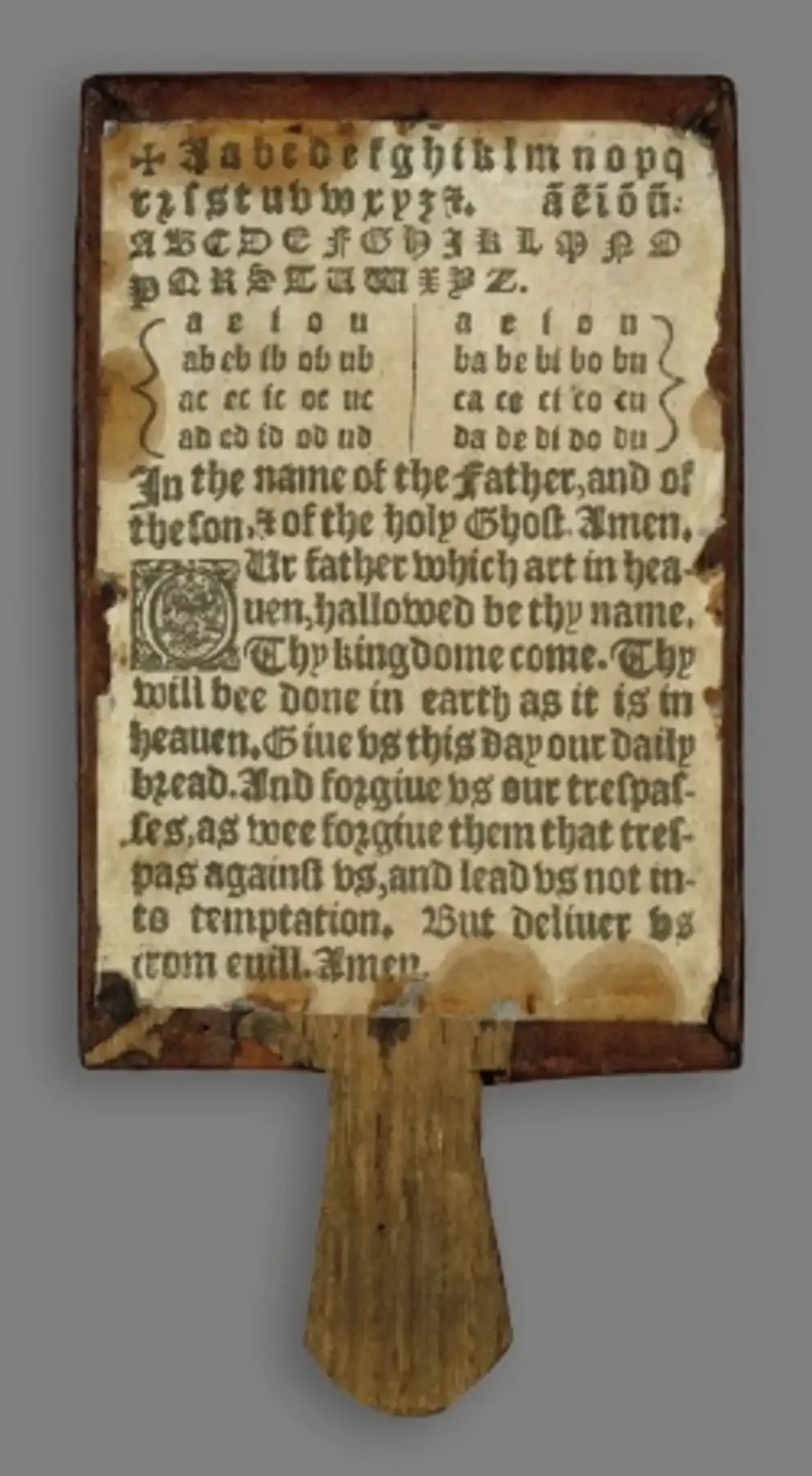
Adults have been writing for children (a broad definition of what we might call children’s literature) in many forms for centuries. Little of it looks much fun to us now. Works aimed at children were primarily concerned with their moral and spiritual progress. Medieval children were taught to read on parchment-covered wooden tablets containing the alphabet and a basic prayer, usually the Pater Noster. Later versions are known as “hornbooks”, because they were covered by a protective sheet of transparent horn.


A 1630 horn book. Folger Digital Image 3304., CC BY-SA


Spiritually-improving books aimed specifically at children were published in the 17th century. The Puritan minister John Cotton wrote a catechism for children, titled Milk for Babes in 1646 (republished in New England as Spiritual Milk for Boston Babes in 1656). It contained 64 questions and answers relating to religious doctrine, beliefs, morals and manners. James Janeway (also a Puritan minister) collected stories of the virtuous lives and deaths of pious children in A Token for Children (1671), and told parents, nurses and teachers to let their charges read the work “over a hundred times.”


These stories of children on their deathbeds may not hold much appeal for modern readers, but they were important tales about how to achieve salvation and put children in the leading role. Medieval legends about young Christian martyrs, like St Catherine and St Pelagius, did the same.


Other works were about manners and laid out how children should behave. Desiderius Erasmus famously produced a book of etiquette in Latin, On Civility in Children (1530), which gave much useful advice, including “don’t wipe your nose on your sleeve” and “To fidget around in your seat, and to settle first on one buttock and then the next, gives the impression that you are repeatedly farting, or trying to fart. So make sure your body remains upright and evenly balanced.” This advice shows how physical comportment was seen to reflect moral virtue.


Erasmus’s work was translated into English (by Robert Whittington in 1532) as A lytyll booke of good manners for children, where it joined a body of conduct literature aimed at wealthy adolescents.


In a society where reading aloud was common practice, children were also likely to have been among the audiences who listened to romances and secular poetry. Some medieval manuscripts, such as Bodleian Library Ashmole 61, included courtesy poems explicitly directed at “children yong”, alongside popular Middle English romances, saints’ lives and legends, and short moral and comic tales.


Pieter Bruegel the Elder, Children’s Games, 1560. Wikimedia Commons


Do children have a history?

A lot of scholarly ink has been spilled in the debate over whether children in the past were understood to have distinct needs. Medievalist Philippe Ariès suggested in Centuries of Childhood that children were regarded as miniature adults because they were dressed to look like little adults and because their routines and learning were geared towards training them for their future roles.


But there is plenty of evidence that children’s social and emotional (as well as spiritual) development were the subject of adult attention in times past. The regulations of late medieval and early modern schools, for example, certainly indicate that children were understood to need time for play and imagination.


Archaeologists working on the sites of schools in The Netherlands have uncovered evidence of children’s games that they played without input from adults and without trying to emulate adult behaviour. Some writers on education suggested that learning needed to appeal to children. This “progressive” view of children’s development is often attributed to John Locke but it has a longer history if we look at theories about education from the 16th century and earlier.


Some of the most imaginative genres that we now associate with children did not start off that way. In Paris in the 1690s, the salon of Marie-Catherine Le Jumel de Barneville, Baroness d’Aulnoy, brought together intellectuals and members of the nobility.


There, d’Aulnoy told “fairy tales”, which were satires about the royal court of France with a fair bit of commentary on the way society worked (or didn’t) for women at the time. These short stories blended folklore, current events, popular plays, contemporary novels and time-honoured tales of romance.


These were a way to present subversive ideas, but the claim that they were fiction protected their authors. A series of 19th-century novels that we now associate with children were also pointed commentaries about contemporary political and intellectual issues. One of the better known examples is Reverend Charles Kingsley’s The Water Babies: A Fairy Tale for a Land Baby (1863), a satire against child labour and a critique of contemporary science.


18th century Battledore printed by Newbery which adds pictures and a verse on the rewards of industry to the elements of the hornbook.


The moral of the story

By the 18th century, children’s literature had become a commercially-viable aspect of London printing. The market was fuelled especially by London publisher John Newbery, the “father” of children’s literature. As literacy rates improved, there was continued demand for instructional works. It also became easier to print pictures that would attract young readers.


More and more texts for children were printed in the 19th century, and moralistic elements remained a strong focus. Katy’s development in patience and neatness in the “School of Pain” is key, for example, in Susan Coolidge’s enormously popular What Katy Did (1872), and feisty, outspoken Judy (spoiler alert!) is killed off in Ethel Turner’s Seven Little Australians (1894). Some authors managed to bridge the comic with important life lessons. Heinrich Hoffman’s memorable 1845 classic Struwwelpeter reads now like a kids’ version of dumb ways to die.


Struwwelpeter (‘Shock-headed Peter’) in a 1917 edition. Wikimedia commons


By the turn of the 20th century, we see the emergence of a “kids’ first” literature, where children take on serious matters with (or often without) the help of adults and often within a fantasy context. The works of Lewis Carroll, Robert Louis Stevenson, Mark Twain, Francis Hodgson Burnett, Edith Nesbit, JM Barrie, Frank L Baum, Astrid Lindgren, Enid Blyton, CS Lewis, Roald Dahl and JK Rowling operate in this vein.


Children’s books still contain moral lessons – they continue to acculturate the next generation to society’s beliefs and values. That’s not to say that we want our children to be wizards, but we do want them to be brave, to stand up for each other and to develop a particular set of values.


We tend to see children’s literature as providing imaginative spaces for children, but are often short-sighted about the long and didactic history of the genre. And as historians, we continue to seek out more about the autonomy and agency of pre-modern children in order to understand how they might also have found spaces in which to exercise their imagination beyond books that taught them how to pray.


(Source: The Conversation)