An analysis into whether the Quran is more violent than the Bible found killing and destruction occur more frequently in the Christian texts than the Islamic.
Investigating whether the Quran really is more violent than its Judeo-Christian counterparts, software engineer Tom Anderson processed the text of the Holy books to find which contained the most violence.
In a blog post, Mr Anderson explains: "The project was inspired by the ongoing public debate around whether or not terrorism connected with Islamic fundamentalism reflects something inherently and distinctly violent about Islam compared to other major religions."
Using text analytics software he had developed, named Odin Text, he analysed both the New International Version of both the Old and New Testaments as well as an English-language version of the Quran from 1957.
It took just two minutes for his software to read and analyse the three books.
By categorising words into eight emotions - Joy, Anticipation, Anger, Disgust, Sadness, Surprise, Fear/Anxiety and Trust - the analysis found the Bible scored higher for anger and much lower for trust than the Quran.

Further analysis found the Old Testament was more violent than the New Testament, and more than twice as violent as the Quran.
Mr Anderson summarises: "Of the three texts, the content in the Old Testament appears to be the most violent.
"Killing and destruction are referenced slightly more often in the New Testament (2.8%) than in the Quran (2.1%), but the Old Testament clearly leads—more than twice that of the Quran—in mentions of destruction and killing (5.3%)."
However, he adds: "First, I want to make very clear that we have not set out to prove or disprove that Islam is more violent than other religions.
"Moreover, we realize that the Old and New Testaments and the Quran are neither the only literature in Islam, Christianity and Judaism, nor do they constitute the sum of these religions’ teachings and protocols.
"I must also reemphasize that this analysis is superficial and the findings are by no means intended to be conclusive. Ours is a 30,000-ft, cursory view of three texts: the Quran and the Old and New Testaments, respectively."
(Source: Independent)
Investigating whether the Quran really is more violent than its Judeo-Christian counterparts, software engineer Tom Anderson processed the text of the Holy books to find which contained the most violence.
In a blog post, Mr Anderson explains: "The project was inspired by the ongoing public debate around whether or not terrorism connected with Islamic fundamentalism reflects something inherently and distinctly violent about Islam compared to other major religions."
Using text analytics software he had developed, named Odin Text, he analysed both the New International Version of both the Old and New Testaments as well as an English-language version of the Quran from 1957.
It took just two minutes for his software to read and analyse the three books.
By categorising words into eight emotions - Joy, Anticipation, Anger, Disgust, Sadness, Surprise, Fear/Anxiety and Trust - the analysis found the Bible scored higher for anger and much lower for trust than the Quran.
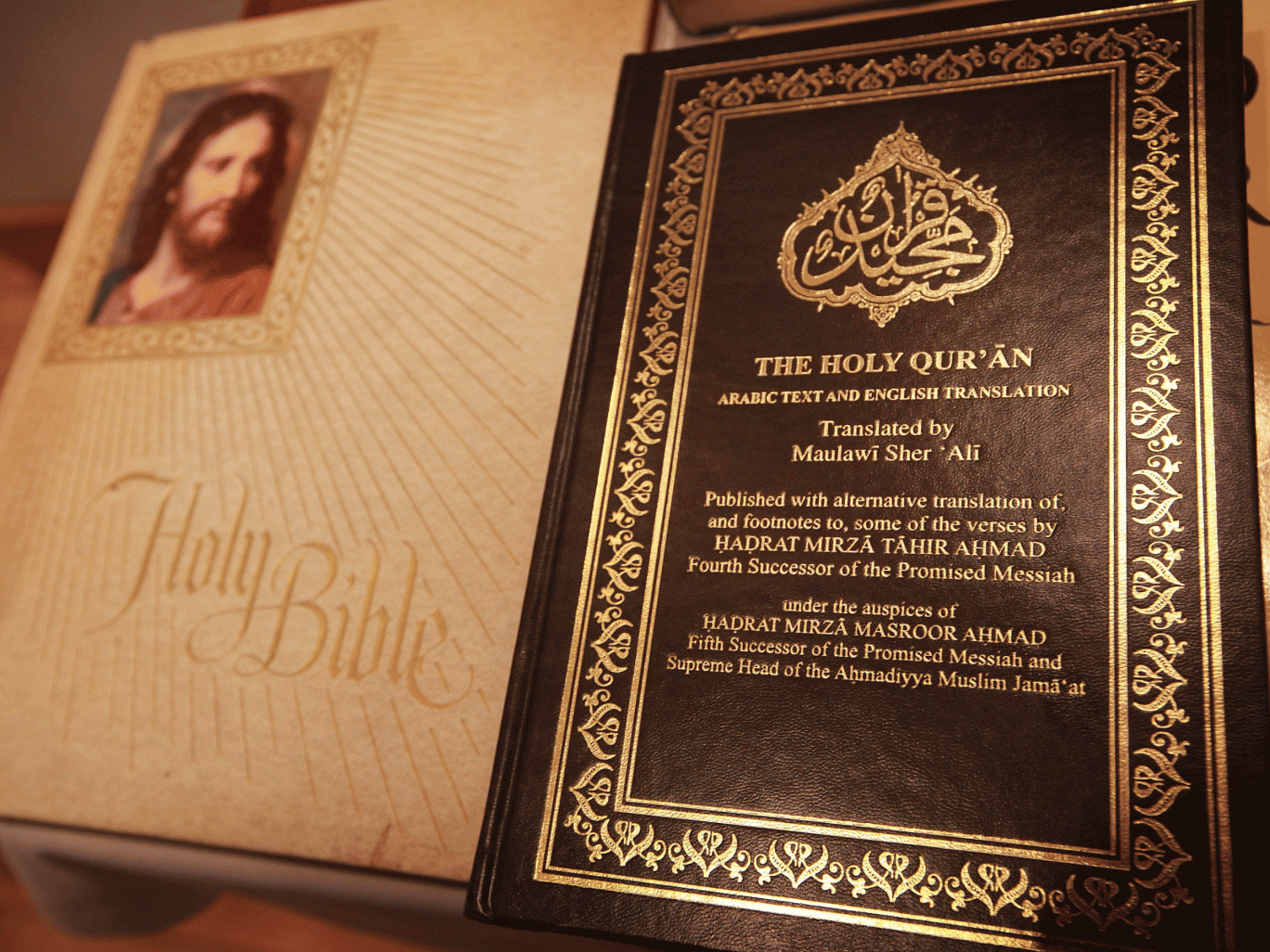
Further analysis found the Old Testament was more violent than the New Testament, and more than twice as violent as the Quran.
Mr Anderson summarises: "Of the three texts, the content in the Old Testament appears to be the most violent.
"Killing and destruction are referenced slightly more often in the New Testament (2.8%) than in the Quran (2.1%), but the Old Testament clearly leads—more than twice that of the Quran—in mentions of destruction and killing (5.3%)."
However, he adds: "First, I want to make very clear that we have not set out to prove or disprove that Islam is more violent than other religions.
"Moreover, we realize that the Old and New Testaments and the Quran are neither the only literature in Islam, Christianity and Judaism, nor do they constitute the sum of these religions’ teachings and protocols.
"I must also reemphasize that this analysis is superficial and the findings are by no means intended to be conclusive. Ours is a 30,000-ft, cursory view of three texts: the Quran and the Old and New Testaments, respectively."
(Source: Independent)


