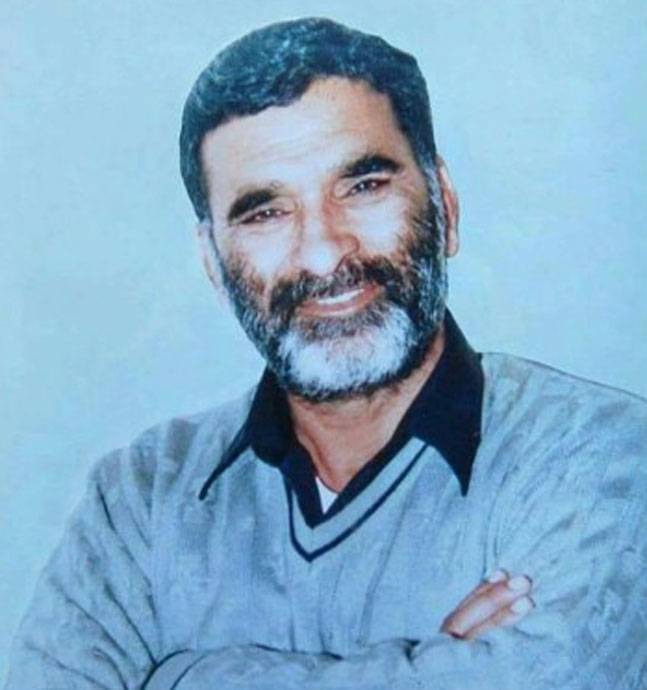
Read the full text of the letter anonymously written by the sadhvi who had been raped by Dera chief Gurmeet Ram Rahim. This letter led to conviction of Ram Rahim 15 years later.
Dera Sacha Sauda chief Gurmeet Ram Rahim has been boastful of his political connections and absolute power. He used to tell his followers that he was the most powerful and equal to God.
Ram Rahim unleashed a reign of terror at the Dera Sacha Sauda. But, a letter, written anonymously by a sadhvi , brought the Dera empire of Gurmeet Ram Rahim down.
Fifteen years after the letter was written, addressed to the then Prime Minister Atal Bihari Vajpayee, Gurmeet Ram Rahim was convicted by a CBI court. Ram Rahim is currently lodged in the Rohtak jail in Haryana.

Here is the full text of the letter under whose the mighty godman of Dera Sacha Sauda crumbled and lost his empire:
To,
Honourable Prime Minister
Shri Atal Bihari Vajpayee (Government of India)
Subject: Request for probe into rape of hundreds of girls by Dera chief (Ram Rahim)
I am a girl hailing from Punjab and I have been serving as a sadhvi at Dera Sacha Sauda, Sirsa (Haryana) for the last five years. There are hundreds of other girls, who serve for 16-18 hours a day at the Dera. We are being physically exploited here. Dera Maharaj Gurmeet Singh rapes girls at the Dera. I am a graduate girl. My family members are blind followers of Maharaj (Gurmeet Ram Rahim Singh). I became a sadhvi at my family's bidding.
Two years after I became a sadhvi, Maharaj Gurmeet Singh's close woman-disciple Gurjot told me one night around 10 pm that I had been summoned to 'Gufa' (residence of Gurmeet Ram Rahim). As I was going there for the first time, I was elated that God himself had sent out for me. When I went upstairs, I saw Maharaj sitting on the bed holding a remote control in hand and watching a blue film on TV. Beside his pillow on the bed, lay a revolver. Seeing all this, I was stunned, felt dizziness, and felt as if the earth has moved from beneath my feet. I wondered what at all was happening here.
I had never imagined that Maharaj would be such a person. Maharaj switched off the TV and seated me beside him. He offered me water and said that he had called me because he considered me very dear to him. This was my first day (experience).
Maharaj took me in his arms and said that he loved me from the core of his heart. He also said that he wanted to make love with me. He told me that at the time of becoming his disciple, I had dedicated my wealth, body and soul to him and he had accepted my offering. By this logic, your body is mine now.
When I objected he said, "There is no doubt that I am God." When I asked if God also indulges in such acts, he shot back:
1. Sri Krishna too was God and he had 360 gopis (milkmaids) with whom he staged Prem Lila (love drama). Even then people regarded him as God. This is not a new thing.
2. I can kill you with this revolver and cremate you here. The members of your family are my devoted followers and they have such blind faith in me that they are my slaves. You know it very well that your family members cannot go against me.
3. I have considerable influence in the governments. The chief ministers of Punjab and Haryana, and central Ministers touch my feet. Politicians seek my support and take money from me. They cannot take any action against me. We will get your family members dismissed from government jobs. I will get them killed and wouldn't leave any evidence behind. You know it very well that I had got Dera manager Fakir Chand killed earlier. No one knows anything about him till date. Neither there is any evidence of the murder. By money power, I can buy politicians, police and justice.
Thus, he raped me. For the past three months, my turn comes every 25-30 days. Now, I realise that he has been raping other girls staying with him.
Around 35-40 women living at the Dera are over 35-40 years old and past the marriageable age. They have compromised with their lives at the Dera. Most of the girls are educated and have secured BA, MA, BEd degrees. But they are living a life of hell at the Dera because their family members are fanatic followers. We wear white clothes, cover heads with scarf, forbidden to look at men and keep a distance of 5-10 feet from men as per Maharaj's commands.
We appear like devis (pious women), but our situation is that of prostitutes. I tried once to tell my family members that all was not well at the Dera. But, they got angry with me saying that if God's company is not worth enjoying then which place would be. It seems your mind has become corrupt, recite the name of satguru (the real teacher), they told me. I am helpless. I have to obey every command of the Maharaj.
No girl is permitted to talk to another. As per the commands of the Maharaj, girls are not permitted to talk to their families even over telephone. If a girl talks about the reality of the Dera, she is punished under the commands of the Maharaj. Just a few days ago, a Bathinda girl spoke about the wrongdoings of the Maharaj, she was thrashed by women-disciples. She is still bed-ridden at her home due to this assault. Her father has left his service as a sevadar (servant of Dera). She is not telling anyone anything for the fear of Maharaj.
Similarly, a girl from Kurukshetra district has also left the Dera and went back home. When she narrated her sufferings at the Dera to her family, her brother who worked as a sevadar, gave up his job. When a Sangrur girl left the Dera, went home and narrated the wrongdoings at the Dera to the people, the Dera's armed sewadar hooligans visited the girl's home and threatened to kill her. They warned her not to tell anyone anything about the Dera.
Similarly, girls from Mansa, Ferozepur, Patiala and Ludhiana districts (of Punjab) have gone back home and are keeping mum as they have threat to their lives. Same is the fate of girls from Sirsa, Hissar, Fatehabad, Hanumangarh and Meerut who are not uttering a word due to muscle power of the Dera goondas.
If I reveal my name (and) my address, my family and I will be killed. I can't keep quiet and I also don't want to die, but I want to expose the reality (of Dera). If a probe is conducted by the press or some government agency, 40 to 45 girls - living in utmost fear at the Dera -, if they are convinced, are willing to tell the truth.
Our medical examination should be conducted so that our guardians and the people would know whether we are still celibate disciples or not. If we are no longer virgins, it should be probed as to who violated our chastity. The truth will then come out that Maharaj Gurmeet Ram Rahim Singh of Sacha Sauda has ruined our lives.
(Source: India Today)
Dera Sacha Sauda chief Gurmeet Ram Rahim has been boastful of his political connections and absolute power. He used to tell his followers that he was the most powerful and equal to God.
Ram Rahim unleashed a reign of terror at the Dera Sacha Sauda. But, a letter, written anonymously by a sadhvi , brought the Dera empire of Gurmeet Ram Rahim down.
Fifteen years after the letter was written, addressed to the then Prime Minister Atal Bihari Vajpayee, Gurmeet Ram Rahim was convicted by a CBI court. Ram Rahim is currently lodged in the Rohtak jail in Haryana.

Here is the full text of the letter under whose the mighty godman of Dera Sacha Sauda crumbled and lost his empire:
To,
Honourable Prime Minister
Shri Atal Bihari Vajpayee (Government of India)
Subject: Request for probe into rape of hundreds of girls by Dera chief (Ram Rahim)
I am a girl hailing from Punjab and I have been serving as a sadhvi at Dera Sacha Sauda, Sirsa (Haryana) for the last five years. There are hundreds of other girls, who serve for 16-18 hours a day at the Dera. We are being physically exploited here. Dera Maharaj Gurmeet Singh rapes girls at the Dera. I am a graduate girl. My family members are blind followers of Maharaj (Gurmeet Ram Rahim Singh). I became a sadhvi at my family's bidding.
Two years after I became a sadhvi, Maharaj Gurmeet Singh's close woman-disciple Gurjot told me one night around 10 pm that I had been summoned to 'Gufa' (residence of Gurmeet Ram Rahim). As I was going there for the first time, I was elated that God himself had sent out for me. When I went upstairs, I saw Maharaj sitting on the bed holding a remote control in hand and watching a blue film on TV. Beside his pillow on the bed, lay a revolver. Seeing all this, I was stunned, felt dizziness, and felt as if the earth has moved from beneath my feet. I wondered what at all was happening here.
I had never imagined that Maharaj would be such a person. Maharaj switched off the TV and seated me beside him. He offered me water and said that he had called me because he considered me very dear to him. This was my first day (experience).
Maharaj took me in his arms and said that he loved me from the core of his heart. He also said that he wanted to make love with me. He told me that at the time of becoming his disciple, I had dedicated my wealth, body and soul to him and he had accepted my offering. By this logic, your body is mine now.
When I objected he said, "There is no doubt that I am God." When I asked if God also indulges in such acts, he shot back:
1. Sri Krishna too was God and he had 360 gopis (milkmaids) with whom he staged Prem Lila (love drama). Even then people regarded him as God. This is not a new thing.
2. I can kill you with this revolver and cremate you here. The members of your family are my devoted followers and they have such blind faith in me that they are my slaves. You know it very well that your family members cannot go against me.
3. I have considerable influence in the governments. The chief ministers of Punjab and Haryana, and central Ministers touch my feet. Politicians seek my support and take money from me. They cannot take any action against me. We will get your family members dismissed from government jobs. I will get them killed and wouldn't leave any evidence behind. You know it very well that I had got Dera manager Fakir Chand killed earlier. No one knows anything about him till date. Neither there is any evidence of the murder. By money power, I can buy politicians, police and justice.
Thus, he raped me. For the past three months, my turn comes every 25-30 days. Now, I realise that he has been raping other girls staying with him.
Around 35-40 women living at the Dera are over 35-40 years old and past the marriageable age. They have compromised with their lives at the Dera. Most of the girls are educated and have secured BA, MA, BEd degrees. But they are living a life of hell at the Dera because their family members are fanatic followers. We wear white clothes, cover heads with scarf, forbidden to look at men and keep a distance of 5-10 feet from men as per Maharaj's commands.
We appear like devis (pious women), but our situation is that of prostitutes. I tried once to tell my family members that all was not well at the Dera. But, they got angry with me saying that if God's company is not worth enjoying then which place would be. It seems your mind has become corrupt, recite the name of satguru (the real teacher), they told me. I am helpless. I have to obey every command of the Maharaj.
No girl is permitted to talk to another. As per the commands of the Maharaj, girls are not permitted to talk to their families even over telephone. If a girl talks about the reality of the Dera, she is punished under the commands of the Maharaj. Just a few days ago, a Bathinda girl spoke about the wrongdoings of the Maharaj, she was thrashed by women-disciples. She is still bed-ridden at her home due to this assault. Her father has left his service as a sevadar (servant of Dera). She is not telling anyone anything for the fear of Maharaj.
Similarly, a girl from Kurukshetra district has also left the Dera and went back home. When she narrated her sufferings at the Dera to her family, her brother who worked as a sevadar, gave up his job. When a Sangrur girl left the Dera, went home and narrated the wrongdoings at the Dera to the people, the Dera's armed sewadar hooligans visited the girl's home and threatened to kill her. They warned her not to tell anyone anything about the Dera.
Similarly, girls from Mansa, Ferozepur, Patiala and Ludhiana districts (of Punjab) have gone back home and are keeping mum as they have threat to their lives. Same is the fate of girls from Sirsa, Hissar, Fatehabad, Hanumangarh and Meerut who are not uttering a word due to muscle power of the Dera goondas.
If I reveal my name (and) my address, my family and I will be killed. I can't keep quiet and I also don't want to die, but I want to expose the reality (of Dera). If a probe is conducted by the press or some government agency, 40 to 45 girls - living in utmost fear at the Dera -, if they are convinced, are willing to tell the truth.
Our medical examination should be conducted so that our guardians and the people would know whether we are still celibate disciples or not. If we are no longer virgins, it should be probed as to who violated our chastity. The truth will then come out that Maharaj Gurmeet Ram Rahim Singh of Sacha Sauda has ruined our lives.
(Source: India Today)